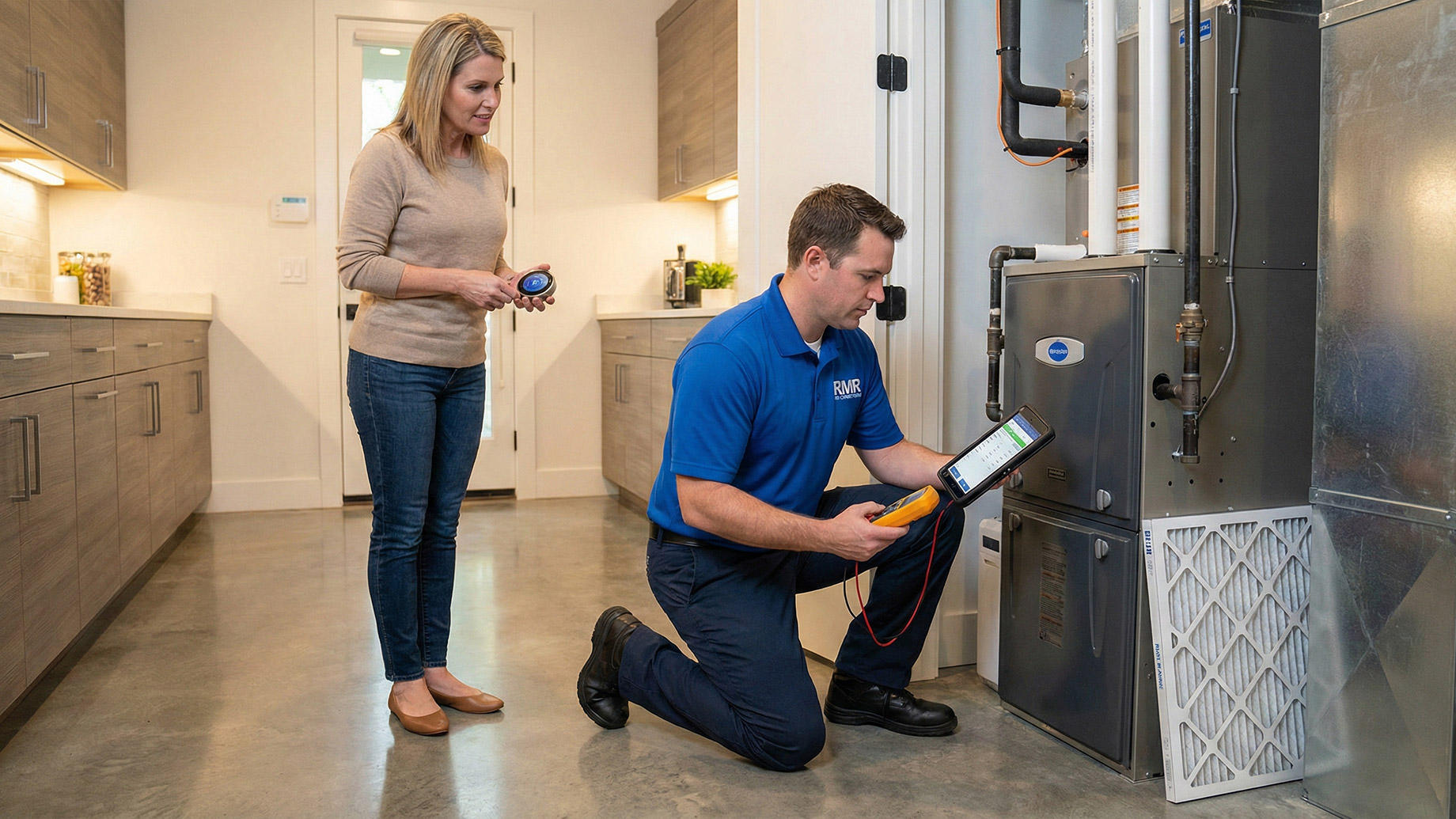
As temperatures fall, a dependable heating system is crucial to keep your home warm and cozy. It’s more than just flipping a switch; it’s about knowing how your system operates and ensuring regular maintenance. Investing in professional heating service in Zephyrhills, FL is vital to keep your equipment running efficiently and without interruption. Heating goes beyond mere comfort; it’s a necessity during cold spells. This guide provides straightforward, practical advice to help your heating system perform at its best, so you remain comfortable when it matters most.
1. Notice the Little Signs Before They Become Big Problems
Your heating system will show some signs if it isn’t feeling well, but these clues can be easy to miss if you’re not paying attention. Think about uneven warmth in different rooms; that’s more than just feeling a little chilly or warm here and there. It could mean blockages or issues with your ducts or vents. Also, if your energy bills suddenly jump without extra usage, take note. Catching these early warning signs means you can act before things get worse and avoid costly surprises down the road.
2. Keep Filters Clean, They’re Your System’s Lungs
Your heater needs clean air to work right, and filters play a huge role here. Skipping on changing or cleaning your filters is like running your system while it’s breathing in dust and dirt all day long. When filters clog, airflow is blocked, parts get strained, and the unit uses more energy to keep your home warm. Keeping filters fresh not only helps your heat flow better but also extends how long your equipment lasts and saves money on energy bills over time.
3. Upgrade to Smarter Thermostats for Better Control
Thermostats have come a long way. Today’s smart thermostats don’t just keep your home warm; they learn how you live and adjust heating when you’re home, away, or asleep. This means you don’t waste energy heating an empty house. These gadgets help balance comfort with savings and take the guesswork out of temperature control. Plus, many models let you control your system remotely through your smartphone, adding convenience and peace of mind.
4. Speedy Tips to Boost Your Home Heating Efficiency
If your heating system isn’t keeping up, it might be tied to certain home heating performance issues that are sneaky but impactful. These problems include blocked vents, malfunctioning parts, or wiring troubles that reduce efficiency and comfort. Ignoring such issues lets them grow, leading to breakdowns and higher repair costs. Getting professionals to check and fix these problems early is a key step toward restoring full heat power and smooth operation. Regular inspections can help you catch these issues before they disrupt your comfort.
5. Don’t Skip Regular Tune-Ups to Keep Things Running Smoothly
Think of tune-ups like oil changes for your car; they keep everything running right. During tune-ups, a technician checks all the parts, cleans what needs cleaning, and tweaks the settings for best results. Regular check-ins help catch small problems before they grow into big ones, keeping your system reliable and efficient every season. Treating your heating unit to scheduled care is simply smart and often saves you money by avoiding emergency repairs in the coldest months.
Your heating system is a quiet hero that deserves attention all year round. By spotting problems early, changing filters regularly, using smart tech, dealing with performance issues fast, and sticking to tune-up schedules, you protect your comfort and reduce costs. Great warmth and peace of mind come from care and smart choices, not luck. Stay warm, stay smart, and enjoy a cozy home no matter how cold it gets outside.
Want a heating experience that just fits? Call RMR Air Conditioning at (813) 778-3993 to keep your home perfectly cozy all winter long.
FAQs
1. How frequently should I swap or clean heating filters for best results?
Check filters once a month during high-use seasons and clean or replace them every 1-3 months to keep airflow steady and efficient.
2. What usually causes warm spots or cold spots in a house?
Uneven heat often comes from blocked ducts, air leaks, or thermostat problems that disrupt smooth heat spread throughout rooms.
